Brow techniques, decoded
Hand strokes, machine strokes, powder and combination: what each one is, and who it tends to suit.
Last reviewed Nov 16, 2026 · General information, not medical advice.
Microblading
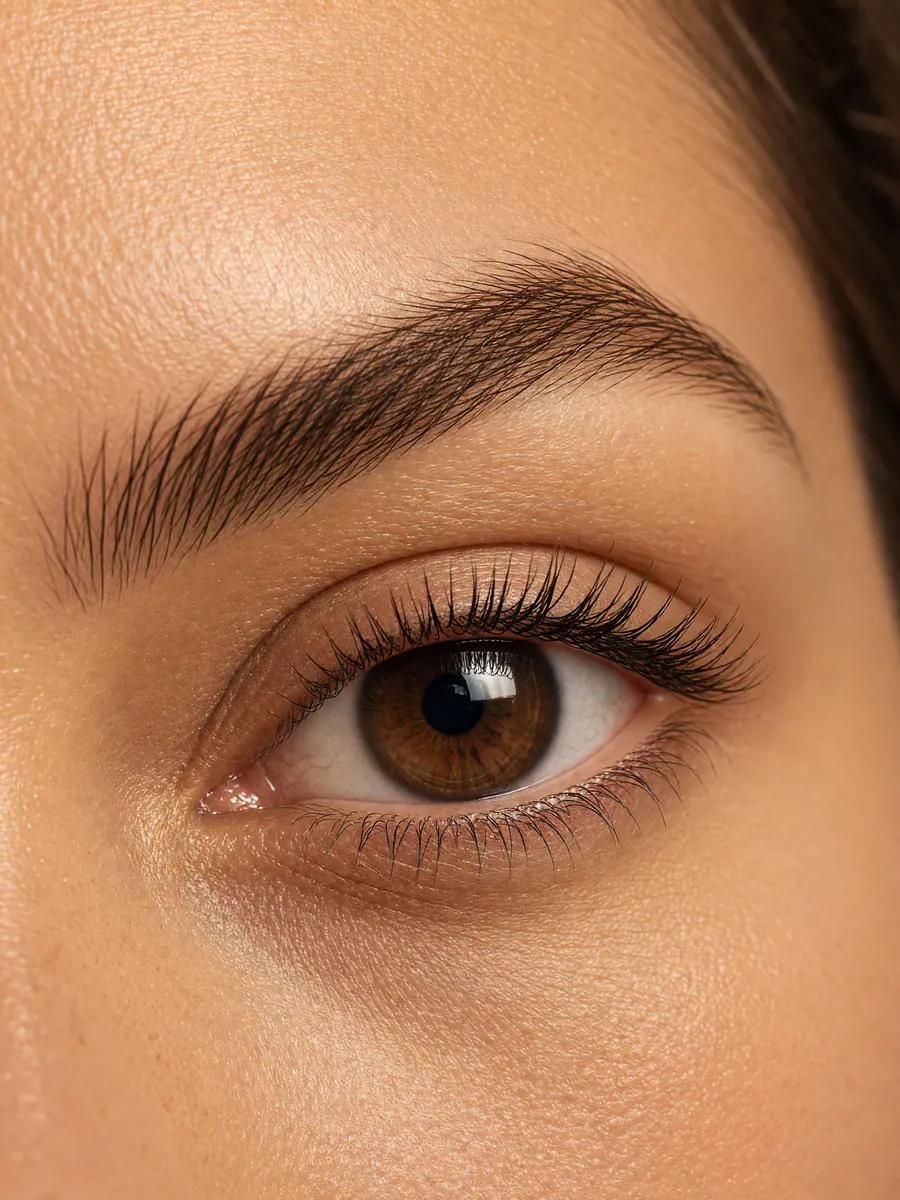
A hand tool with a row of fine needles draws hair-like strokes into the upper skin. It tends to suit normal to dry skin with small pores and people who want hair-by-hair realism. Oily skin and large pores often blur the strokes as they heal.
Machine (nano) hair strokes
A machine with a single fine needle draws the strokes instead of a blade. It is generally gentler on the skin per stroke and suits more skin types, including some oilier skin.
Powder, ombré and microshading
A machine builds tiny dots into a soft gradient, usually lighter at the front and denser toward the tail. Often chosen for oily or combination skin, mature skin and people who like a softly made-up finish. The usual mistake is a solid, blocky front, which looks harsh.
Combination
Hair strokes at the front, shading through the body and tail. It suits clients who want realism and definition together.
Good candidates and when to wait
Your artist checks your skin type, any old brow tattoo, and your health before choosing. Old, dark or warm-faded brow work often needs correcting or lightening first.
Keep reading
Color theory for skin
Undertones, pigment choice, and why healed color can shift over the years.
HealingHealing, day by day
What to expect from the first day to the settled look, and the aftercare most artists give.
Touch-upsTouch-ups and color boosts
Why the second session matters, and how to keep color looking fresh.